What's In Season Is What's for Dinner: The Market Rhythm That Runs Yanase-Minami's Kitchens

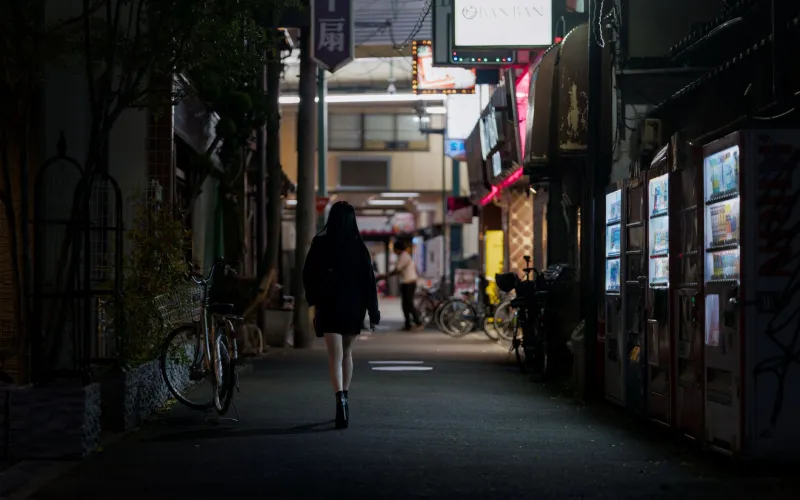
Photo by Photo by EMANUELE Ricciardi on Unsplash on Unsplash
Sometime in late October, a handwritten sign appears in the window of a small grocery on one of Yanase-Minami's older residential streets. It says, more or less: matsutake, just arrived. The mushrooms are expensive — they always are — and they won't be there long. But for the regulars who've been watching for that sign since September, it marks something. The season has turned. The kitchen calendar has flipped a page.
This is how eating works in Yanase-Minami. Not by what's available — because in modern Japan, as in modern America, almost everything is available almost all the time — but by what's right. What's at peak. What the farmers and fishermen and foragers actually brought in this week.
It's a practice with a name in Japanese: shun (旬). Loosely translated, it means the peak season of an ingredient — the moment when flavor, nutrition, and abundance all align. And while the concept is ancient, the way it plays out daily in Yanase-Minami's markets and family-run shops feels less like cultural preservation and more like just... common sense.
The Shops That Keep the Calendar
The grocery landscape in Yanase-Minami isn't dominated by big chains. There are a couple, sure, but the neighborhood's food identity runs through the smaller operators — a third-generation greengrocer whose family has been buying from the same farming co-op for thirty years, a fishmonger who gets a morning delivery and sells out by early afternoon, a tofu shop that makes fresh batches daily and closes when they're gone.
These aren't boutique operations in the Whole Foods sense. They're not marketing local or seasonal as a premium. They just work the way they've always worked, and the neighborhood has organized its cooking around them.
We spent a Saturday morning at the weekly outdoor market that sets up near the old community center, talking to vendors and shoppers about how the season shapes what ends up on the table. A woman named Fujimoto-san, probably in her late sixties, was buying a bundle of kabu — a mild, round Japanese turnip — and a bag of sweet potatoes. She didn't consult a recipe app or a meal-planning service. She bought what was stacked highest and cheapest, which is to say, what was most abundant right now.
"In summer, it's cucumber and eggplant every day," she said, tucking the turnips into her basket. "In winter, it's daikon and burdock root. You don't have to think very hard. The market tells you."
Why This Actually Matters (Beyond the Romance of It)
There's a tendency, especially in American food media, to treat seasonal eating as aspirational — something for people with farmers market budgets and Pinterest-worthy kitchens. But in Yanase-Minami, the practice is grounded in something much more practical: things taste better when they're in season, they cost less, and you waste less because you're not trying to force an out-of-season ingredient to perform.
The food waste angle is worth sitting with. Japan already has a cultural concept called mottainai — a kind of regret over waste, a reverence for using things fully — and it intersects neatly with seasonal cooking. When you buy what's abundant and ripe right now, you're not fighting the ingredient. You're not buying a January tomato and trying to coax flavor out of it. You're working with something at its peak, which means less goes bad in the fridge, and less goes in the trash.
For US readers, this is genuinely worth thinking about. American households waste an estimated 30 to 40 percent of their food supply, and a significant chunk of that is produce bought with good intentions and eaten with bad timing. Seasonal cooking doesn't solve this entirely, but it reframes the shopping trip in a useful way: instead of building a menu and hunting for ingredients, you find out what's best right now and build around that.
The Rhythm It Creates
One of the things that struck us most, talking to Yanase-Minami residents about how they eat, was how often people described their food year in terms of anticipation. The first sansai (wild mountain vegetables) of spring. The moment when summer peaches arrive and you eat three in a row standing over the sink. The first pot of oden in October, which means the cold is really here now.
Food becomes a way of marking time that has nothing to do with holidays or social media calendars. It's quieter than that, and more personal. A neighborhood fishmonger named Hashimoto-san put it this way: "When the sanma (Pacific saury) come in, everyone knows it's autumn. You don't need to look at a calendar."
That seasonal rhythm — the anticipation, the arrival, the abundance, the absence — creates a relationship with food that's hard to replicate when you can buy strawberries in December. It's not that there's anything wrong with December strawberries, exactly. It's that the constant availability of everything flattens the experience. Nothing is special because nothing is scarce.
Practical Takeaways for American Kitchens
So what does any of this mean if you're in, say, Columbus or Sacramento or suburban New Jersey, where the nearest grocery store stocks hothouse tomatoes year-round and the closest thing to a fishmonger is a Whole Foods counter?
A few things, actually.
First: find your local farmers market and treat it as your primary produce source at least once a month. Not because it's virtuous, but because what's there is genuinely better. The vendors aren't selling you storage apples from six months ago. They're selling you what's ripe right now.
Second: let the market tell you what to cook rather than the other way around. Show up without a list. Buy what looks best. Figure out dinner on the way home. It sounds chaotic, but it's actually less stressful than hunting down a specific ingredient for a specific recipe.
Third: pay attention to what disappears. When the good corn is gone, it's gone. When the local asparagus season ends, it ends. That impermanence is the point — it makes the next spring's asparagus mean something again.
Yanase-Minami doesn't have a patent on seasonal eating. But watching a neighborhood organize its entire food culture around the rhythm of what's ripe and what's right is a reminder that the alternative — the everything-always model — costs more than just money. It costs a certain kind of attention. And attention, as any good cook will tell you, is most of the recipe.