Before the Words Come Out: How Yanase-Minami Locals Craft Apology Gifts That Do the Heavy Lifting
Most of us have been there. You blew a deadline, forgot an important anniversary, or said something at the wrong moment that landed badly. The American instinct is pretty consistent: fire off a text, shoot a quick email, maybe grab a generic box of chocolates from the drugstore on the way over. Done and dusted, right?
Not exactly — and if you've ever spent time around Yanase-Minami locals, you'd know why that approach would raise more than a few eyebrows.
In this corner of Japan, the apology gift — known broadly within the practice of omiyage and ochugen culture — is treated less like a footnote to the sorry and more like the main event. The words matter, sure. But the object you bring, the thought behind it, and the care with which it's presented? That's where redemption actually lives.
It's Not About Price. It's About Proof.
Spend a Saturday afternoon wandering the covered shopping streets near Yanase-Minami's older residential blocks and you'll notice something that feels almost out of place by modern standards: people taking forever to choose things. Not because they're indecisive, but because they're being intentional.
A woman deliberating between two varieties of carefully boxed wagashi sweets isn't overthinking it. She's doing the work. She's thinking about the person who will receive this gift — their preferences, their household, the nature of the situation that needs repairing. She might know that her neighbor dislikes overly sweet things, or that a colleague once mentioned a preference for things made locally. These details matter enormously.
In Yanase-Minami, the selection process is itself a form of communication. Choosing something generic signals that you didn't really think about the other person. And if you didn't think carefully about the gift, what does that say about how seriously you're taking the apology?
This is a concept that doesn't always translate cleanly for American audiences, where efficiency is often mistaken for sincerity. We tend to value the speed of the apology — getting it out there quickly before things fester. Yanase-Minami culture flips that logic. Taking your time isn't procrastination. It's respect.
The Wrap Is Part of the Message
If you've read our previous piece on gift-wrapping culture in Yanase-Minami, you already know that presentation is never an afterthought here. But when it comes to apology gifts specifically, the wrapping takes on an almost ceremonial weight.
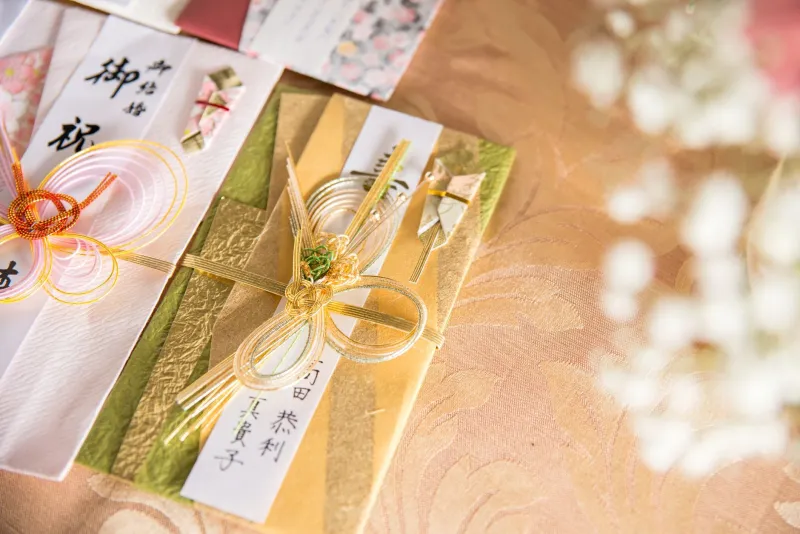
Local shops that specialize in gift preparation — and there are several clustered near the main shopping thoroughfares — will spend considerable time folding, tying, and layering paper around an item before it leaves their hands. The wrapping isn't decorative fluff. It signals the effort the giver invested. It shows that this wasn't grabbed off a shelf at the last minute.
There's a reason Yanase-Minami residents often say that a beautifully wrapped mediocre gift outperforms a carelessly packaged expensive one. The exterior communicates intention. And intention, in the context of an apology, is everything.
For Americans who've grown up in a culture where ripping open wrapping paper is half the fun, this might feel a little foreign. But think about it this way: imagine receiving a handwritten letter versus a form email. The medium sends a message before you've even read the content. Wrapping works the same way.
Redemption as a Process, Not a Transaction
Here's where things get philosophically interesting — and where Yanase-Minami's approach to apology gifts has the most to teach American professionals.
In a lot of U.S. workplace and social contexts, we treat apologies like transactions. You did the thing wrong, you say the words, the other person accepts, and the ledger resets. Clean slate. Move on.
Yanase-Minami locals tend to see it differently. An apology — especially one accompanied by a thoughtful gift — is understood as the opening move in a longer process of relationship repair. The gift says: I've thought about what happened. I've thought about you. I'm showing up, and I'm prepared to keep showing up.
This is why repeat gestures aren't unusual. A local business owner who accidentally inconvenienced a longtime customer might bring a small gift when they first apologize, and then follow up weeks later with something seasonal — a box of mochi during a holiday, a small item picked up while traveling. These aren't bribes. They're evidence of sustained care.
For Americans trying to mend a fractured professional relationship or repair a friendship that took a hit, this reframing is genuinely useful. Instead of treating the apology as a finish line, treat it as a starting point. What can you do in the weeks that follow to demonstrate that you're still thinking about the other person? That the repair is ongoing?
What This Looks Like in Practice
You don't have to move to Japan to absorb some of this. A few practical takeaways from Yanase-Minami's apology gift culture that translate surprisingly well to American life:
Personalize aggressively. Generic is the enemy. Think about what the person actually enjoys, not what's easiest for you to grab. A coworker who's obsessed with a particular regional hot sauce? Find it. A friend who loves a specific local bakery? Go there.
Don't skip the presentation. Even in the U.S., a gift wrapped with care sends a different signal than something handed over in a plastic bag. Take ten extra minutes. It shows.
Let the gift speak first. In Yanase-Minami, the gift is often presented quietly, before the verbal apology. It gives the other person a moment to receive your effort before you ask them to process your words. Try leading with the gesture instead of the speech.
Follow up. This one's underused in American culture. A small, thoughtful gesture a few weeks after the initial apology can do more for a relationship than the original sorry ever could.
The Handmade Dimension
One trend that's been quietly growing in Yanase-Minami's younger communities is the handmade apology gift — something baked, crafted, or assembled by the giver rather than purchased. This isn't about saving money. It's about demonstrating that you gave your time, which in a busy modern world is arguably the most honest currency there is.
Local crafters and bakers who operate out of small storefronts in the neighborhood have noticed an uptick in customers asking for guidance on how to package homemade items properly — because even a homemade gift deserves to arrive beautifully.
That instinct, the idea that effort multiplied by presentation equals sincerity, is essentially the entire philosophy in a nutshell.
Sorry Is a Starting Line
What Yanase-Minami ultimately teaches us is that the apology gift isn't a shortcut around accountability — it's an amplifier of it. Done right, it says everything the words struggle to convey: that you paid attention, that you care, and that you're willing to put in the work before you even ask for forgiveness.
In a culture that sometimes rushes past the hard stuff to get back to normal, that's a genuinely radical idea. And honestly? It's one worth borrowing.