Still Standing After a Hundred Years: The Secret Life of Yanase-Minami's Oldest Family Shops
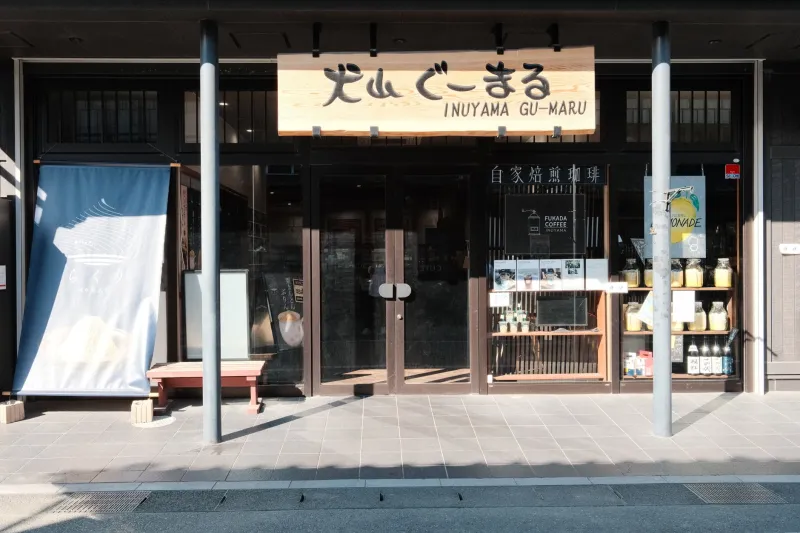
There's a tofu shop on a narrow side street in Yanase-Minami that has been making the same two products — silken and firm — since the late Meiji era. The storefront is worn but immaculate. The wooden sign above the door is faded in the way that only genuine age produces, not the kind you buy at a reclaimed-wood boutique in Brooklyn. Inside, a woman in her sixties works alongside her son, who is probably in his mid-thirties. Neither of them looks like they're performing anything. They're just making tofu.
That shop has survived two world wars, multiple recessions, the rise of supermarkets, the convenience store boom, the internet, and a global pandemic. And it shows no signs of stopping.
America talks a lot about small business survival. We celebrate the scrappy startup, the pivot, the reinvention story. But Yanase-Minami offers something quieter and, honestly, more instructive: the art of staying the same in exactly the right ways, while quietly evolving in the ones that matter.
The Inheritance Is the Philosophy, Not the Recipe
When you talk to the owners of multi-generational businesses in Yanase-Minami — the pickle shops, the lacquerware dealers, the family-run soba restaurants tucked behind train stations — a pattern emerges fast. They almost never describe their inheritance in terms of products. They describe it in terms of approach.
"My grandmother taught me how to listen to what the neighborhood needs," one third-generation sweets shop owner explained through a translator during a community open house last year. "She didn't teach me a recipe. She taught me how to pay attention."
That distinction is huge. In the American business tradition, we tend to think of legacy as a thing — a brand, a formula, a flagship product. But in Yanase-Minami's family businesses, legacy is more like a posture. It's a way of reading the room, of knowing when to hold steady and when to quietly adjust, without making a whole production of either.
This is why you can walk into a century-old kissaten (coffee shop) in the neighborhood and find that they now offer a single oat milk option alongside their traditional blend — but the cups are still the same ceramic, the saucers still have the same chipped charm, and the owner still doesn't rush you out the door. The change is real, but it's absorbed rather than announced.
Modernization as a Last Resort (and Sometimes a Brilliant One)
Here's what Yanase-Minami's long-running businesses are not doing: chasing trends. You won't find a four-generation wagashi confectionery suddenly rolling out a TikTok-inspired menu or rebranding with a sans-serif logo because a consultant told them millennials respond better to clean design.
Change, when it happens, is almost always reactive in the best sense — responsive to genuine need rather than manufactured buzz. A family-run hardware shop that started stocking a specific type of apartment-friendly adhesive hook? That happened because three different customers asked for it in the same month. A neighborhood noodle spot that now takes reservations via a simple online form? That happened because the owner's daughter pointed out that they were turning away regulars during peak hours and losing relationships, not just revenue.
The threshold for change is high. But when change comes, it tends to stick — because it was never about chasing something new. It was about solving something real.
For American entrepreneurs, especially in an era of constant disruption and "move fast" culture, this is worth sitting with. Not every shift in consumer behavior requires a full operational pivot. Sometimes the answer is one small, considered adjustment that protects what already works.
The Customer Relationship as a Living Document
One of the things that makes Yanase-Minami's family businesses so durable is that their customer relationships span generations too. It's not uncommon for a shop to serve the grandchild of someone who was a regular fifty years ago. That kind of continuity isn't accidental — it's cultivated through a level of personal attentiveness that most American businesses have essentially outsourced to loyalty apps.
Shopkeepers in these establishments often remember not just names but preferences, family circumstances, and seasonal habits. They notice when a regular hasn't come by in a while. They set aside items they think a specific customer would like. They ask about family members by name.
This isn't just warm and fuzzy stuff. It's a retention strategy with a hundred-year track record. And it works precisely because it's human — because no algorithm can replicate the feeling of being genuinely known by the person selling you something.
In the US, we've watched big-box retail and e-commerce hollow out local commerce for decades. But the shops that have survived — really survived, not just limped along — are often the ones that leaned hardest into this kind of relational capital. Yanase-Minami didn't stumble onto this. They built entire business identities around it.
What 'Selective Modernization' Actually Looks Like in Practice
Let's get specific, because the concept of "evolving thoughtfully" can sound vague if you're trying to apply it to an actual business.
In Yanase-Minami, selective modernization tends to follow a few unspoken rules:
The core product is sacred. The thing the shop is known for — its signature dish, its handmade craft, its specific style of service — is essentially off the table for reinvention. You can surround it with new things. You cannot replace it.
Back-of-house changes are invisible. Upgrading equipment, streamlining inventory, switching suppliers for non-essential goods — all of this happens quietly, without fanfare, and without touching the customer experience in any visible way.
Front-of-house changes are slow and deliberate. New offerings are introduced tentatively, often without formal announcement, and evaluated based on organic customer response. If it works, it stays. If it doesn't, it disappears without drama.
The aesthetic evolves only under duress. Signage, décor, and presentation are treated as part of the product itself. They're updated when they genuinely need to be — not to signal freshness, but to maintain function.
This framework isn't rigid doctrine. It's more like accumulated institutional wisdom passed down through families who learned, often through hard experience, what happens when you change too much too fast.
What We Can Actually Take Home
None of this is about telling American businesses to freeze in place or pretend the market doesn't shift. It's about questioning the default assumption that constant reinvention equals health.
The shops of Yanase-Minami have outlasted trends, recessions, and entire cultural epochs not by being stubborn, but by being selective. They've figured out which parts of their identity are load-bearing walls and which are decorative trim. They change the trim when it makes sense. They never touch the walls.
For anyone running a small business in the US — a family restaurant, a boutique, a local service provider — that's a genuinely useful lens. Before the next rebrand, before the next pivot, before the next "we're excited to announce" email blast: ask yourself what's actually structural. What do your customers actually come back for? What would break something real if you changed it?
The tofu shop on that side street in Yanase-Minami already knows the answer to those questions. They've known it for over a century. And they're still making tofu.