When Shops Say See You Later: The Seasonal Goodbye Rituals That Keep Yanase-Minami Businesses Alive
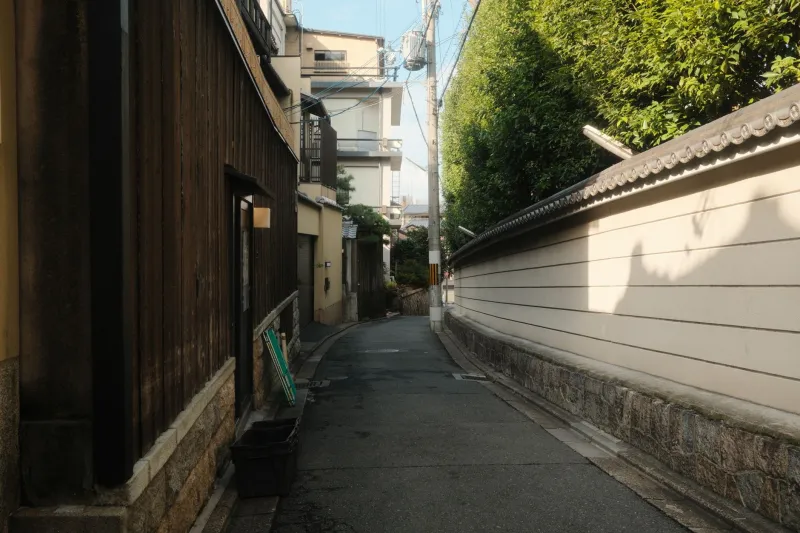
There's a small kakigori stand tucked near the covered shopping arcade in Yanase-Minami that disappears every October. One week it's there — shaved ice towers dripping with yuzu syrup, a hand-painted banner swaying out front — and then, quietly, it's gone. No going-out-of-business signs. No dramatic social media farewell post. Just a simple paper notice in the window, thanking regulars for the season, and a promise to return when the heat does.
To an American passerby, this might look like a shutdown. To Yanase-Minami locals, it looks like a deep breath.
The Business of Breathing Out
In the US, the idea of voluntarily closing a profitable business — even temporarily — can feel almost reckless. The American hustle ethos runs deep: always open, always available, always grinding. Seasonal closures get filed under "failure to compete," and entrepreneurs who take extended breaks are sometimes viewed with suspicion, like they couldn't hack it.
Yanase-Minami operates on a completely different frequency.
Here, the seasonal rotation of shops and menus isn't just a practical response to weather or supply chains. It's treated more like a ritual — a structured acknowledgment that everything, even a beloved local business, needs time to reset. Owners plan their closures months in advance, sometimes printing farewell cards for regular customers. A few shops go so far as to host quiet, informal last-day gatherings — nothing flashy, just the owner, a pot of tea, and the handful of customers who've been coming in since spring.
The farewell itself becomes part of the experience.
Menu Changes as Micro-Ceremonies
Even among businesses that stay open year-round, the seasonal transition is marked with real intention. Walk into a long-running tea shop in Yanase-Minami as summer tips into autumn, and you'll notice the menu board has been entirely rewritten — not just a few items swapped out, but a full reimagining of what the shop is offering the neighborhood. Cold brew and roasted barley teas give way to warming hojicha blends and seasonal wagashi pairings. The transition is announced, sometimes with a small handwritten note near the register: This week, we say goodbye to summer.
It sounds almost theatrical when you put it that way. But there's something deeply practical underneath the poetry. By framing the change as a meaningful departure rather than a routine update, shop owners accomplish a few things at once. They create anticipation for what's coming next. They give regulars a reason to visit one more time before the menu shifts. And they signal to the neighborhood that this place is paying attention — to the calendar, to the community, to the passage of time itself.
That kind of attentiveness builds loyalty in ways that a loyalty punch card never could.
The Storefront as a Living Thing
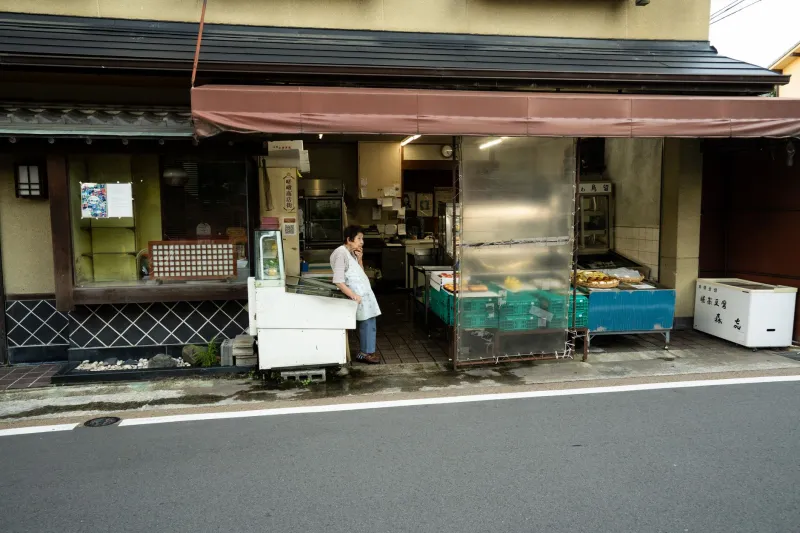
One of the most striking things about Yanase-Minami's seasonal transitions is what happens to the physical storefronts. Some shops repaint their facades between seasons. Others rearrange window displays so completely that a store you've walked past a hundred times suddenly looks like it just opened. A few owners use the off-season to renovate — not because anything was broken, but because the pause offered a rare opportunity to rethink the space entirely.
In a neighborhood where square footage is precious and change is usually incremental, these transformations feel significant. They communicate something important: that the business isn't static, that it evolves, that coming back after a seasonal absence means encountering something slightly new. The return visit carries a little of the same energy as a first visit.
For American business owners who've been running the same layout since they opened, this is worth sitting with. When was the last time your space told customers something new?
What Western Entrepreneurs Can Actually Steal From This
Let's be real — most small business owners in the US can't just close for a season. Rent doesn't pause. Staff need paychecks. The economics are genuinely different. But the philosophy underneath Yanase-Minami's seasonal rhythms is more portable than it might seem.
The core idea is intentional cycling: building planned periods of reduced intensity or reinvention into your business calendar, rather than running at full throttle until something breaks. This doesn't have to mean closing the doors. It could mean:
- A seasonal menu reset that you actually communicate to customers as a meaningful transition, not just a quiet swap
- An annual "refresh week" where you close early, clean up the space, retrain staff, and come back with something new to say
- A limited-run product or service that's explicitly tied to a season and explicitly retired when that season ends — creating scarcity and anticipation rather than an endless, undifferentiated catalog
- A genuine off-season for yourself, even if the shop stays open, where you hand off daily operations and use the time to think about where the business is actually going
The burnout rate among American small business owners is staggering. A lot of that exhaustion comes from the belief that slowing down is losing ground. Yanase-Minami offers a counter-argument: that the pause is part of the performance, that the goodbye is what makes the return feel like something worth celebrating.
Goodbye as Brand Identity
Here's the part that might be hardest for American business culture to absorb: in Yanase-Minami, the way a shop handles its seasonal exit is considered a reflection of its character. A sloppy, uncommunicated closure leaves a bad impression. A graceful, well-timed farewell — with a note in the window, a last-day special, maybe a handwritten thank-you to regulars — builds the kind of goodwill that advertising budgets can't manufacture.
Regulars remember how you left. They talk about it. They come back to see how you returned.
There's a word that gets used a lot in conversations about Japanese business culture: ma. It refers to the meaningful pause, the space between things that gives the surrounding moments their weight. Yanase-Minami's seasonal shop rotations are ma made commercial — structured silence that makes the noise around it matter more.
The kakigori stand will be back next June. Everyone in the neighborhood knows it. And because of that, its return will feel like something — not just the opening of another food stall, but the arrival of a familiar friend who had the good sense to take a proper winter off.
Maybe that's the whole lesson right there.