Sorry Before You Ask: The Preemptive Apology Culture That Powers Yanase-Minami's Businesses
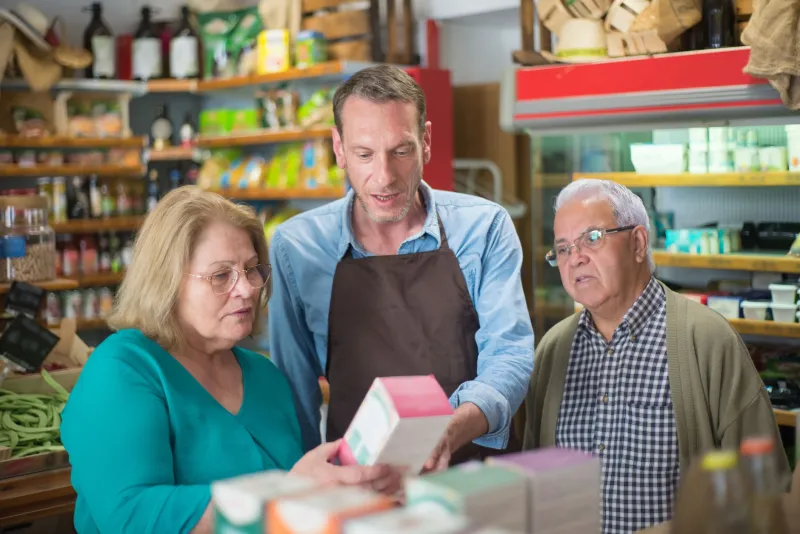
Picture this: you walk into a small hardware shop on one of Yanase-Minami's side streets, looking for a specific type of adhesive. The owner — a compact man in his sixties with reading glasses perched on his nose — glances up and immediately says something that translates, roughly, to: "I apologize in advance for any inconvenience finding what you need may cause you today."
You haven't been inconvenienced. You just walked in. The store is tidy. The shelves are well-stocked. Nothing has gone wrong.
And yet — the apology lands. Somehow, you feel welcomed.
If you grew up in the United States, that exchange probably sounds a little strange. Americans tend to reserve apologies for actual mistakes. Saying sorry before anything bad happens feels either overly formal, weirdly anxious, or just plain unnecessary. But spend a few days moving through the shops, restaurants, and service counters of Yanase-Minami, and you start to realize this isn't awkwardness. It's a deeply practiced social art — and it works in ways that American business culture is only starting to recognize.
What Americans Hear vs. What's Actually Being Said
The Japanese concept at play here is moushiwake — a word that doesn't translate cleanly into English but carries a sense of "I have no excuse" or "I take full responsibility for this situation, whatever it is." When a Yanase-Minami shopkeeper apologizes before a transaction even begins, they're not confessing to a failure. They're signaling something more nuanced: I am fully present for you, I am accountable to your experience, and I will not hide behind circumstances if something goes sideways.
To American ears trained on "the customer is always right" (a phrase that, ironically, often produces the opposite of genuine accountability), this can read as excessive. We associate apologies with admissions of guilt. Apologize too freely, and you're either a pushover or a liability waiting to happen — ask any American corporate lawyer.
But in Yanase-Minami, the preemptive apology isn't an admission. It's a promise.
Rain Delays, Sold-Out Items, and Acts of God
Here's where it gets really interesting for American visitors: local business owners here will apologize for things that are objectively, unambiguously not their fault.
A ramen shop owner apologizes because the line outside is long — even though the line is long because the food is excellent. A dry cleaner bows and expresses regret that a garment will take two days, even though two days is perfectly reasonable and was agreed upon in advance. A neighborhood izakaya owner apologizes for the rain, essentially, when a customer arrives soaking wet — as if he personally scheduled the weather.
This last example isn't metaphorical. It happens. And regular visitors to the area — especially those who've made return trips after living in Japan for a stretch — say it never stops feeling remarkable.
"The first time I heard someone apologize for rain," recalls one American expat who spent three years in the broader Kochi region, "I laughed. I thought it was a translation quirk. But the more I watched, the more I understood. He wasn't saying he made it rain. He was saying: your discomfort matters to me, and I wish it were different."
That distinction — between causing a problem and caring about a problem — is the whole ballgame.
The Trust Architecture Behind the Apology
Social psychologists who study Japanese service culture often point to a concept called amae — a kind of presumed, comfortable dependence between people in a social relationship. When a business owner apologizes preemptively, they're actively building amae with their customer. They're saying: you can lean on me. I'm already thinking about your comfort before you've had to ask.
In the U.S., trust between a business and a customer is typically transactional and reactive. You earn trust by delivering what you promised, and you lose it by failing to deliver. The relationship starts neutral and moves based on outcomes.
In Yanase-Minami — and in Japanese service culture more broadly — trust is offered upfront, through gesture and language, and maintained through consistency. The apology isn't reactive. It's structural. It's baked into how the interaction begins.
The practical effect is significant. Customers who feel pre-emptively cared for are dramatically less likely to escalate complaints when things do go wrong. There's less adversarial energy in the room. When a shop owner has already acknowledged the possibility of imperfection, a customer who encounters actual imperfection feels heard rather than dismissed.
For anyone who's spent time navigating a U.S. customer service phone tree — pressing 1 for English, being told your call is very important while waiting 40 minutes — the contrast is almost comical.
What Accountability Actually Looks Like
There's a broader cultural argument here that's worth sitting with, especially for American readers.
In the U.S., we often conflate accountability with blame. Saying "I'm sorry" in a business context is legally fraught, emotionally loaded, and frequently avoided for fear of what it implies. Companies issue non-apologies. Politicians offer regret "if anyone was offended." The word sorry has been so weaponized in adversarial contexts that it's lost much of its connective power.
Yanase-Minami's business owners operate from a completely different premise. Accountability, for them, isn't about who caused the problem. It's about who's responsible for the relationship. And in a service context, that's always the person doing the serving.
This isn't naive or self-defeating. These are savvy small business owners running tight operations in a competitive local economy. They've simply concluded — through cultural inheritance and practical experience — that owning the customer's experience entirely, including the parts you didn't control, is better for business than deflecting.
And the data, if you want to call neighborhood longevity data, backs them up. Many of the shops along Yanase-Minami's older commercial corridors have been in the same families for decades. Customer loyalty in these places isn't just habit. It's something closer to devotion.
Can Any of This Travel Across the Pacific?
It's tempting, when writing about Japanese service culture for an American audience, to end with a tidy "here's what we should copy" conclusion. But the honest answer is messier.
Preemptive apology culture doesn't exist in isolation. It's embedded in a social fabric that values group harmony, dislikes conflict, and treats the preservation of another person's comfort as a genuine moral good — not just a customer retention strategy. Importing the gesture without the underlying values tends to produce exactly the hollow non-apologies American culture already excels at.
What can travel, maybe, is the question the gesture raises: What would it feel like to be fully responsible for someone else's experience, even the parts you can't control?
For business owners in the U.S. wrestling with customer trust, employee morale, or just the general sense that transactions have gotten colder and more combative, that question is worth sitting with.
In the meantime, if you ever find yourself in a small hardware shop in Yanase-Minami and a man in reading glasses apologizes before you've even said what you're looking for — just bow slightly, smile, and know you're in good hands.
You already are.